
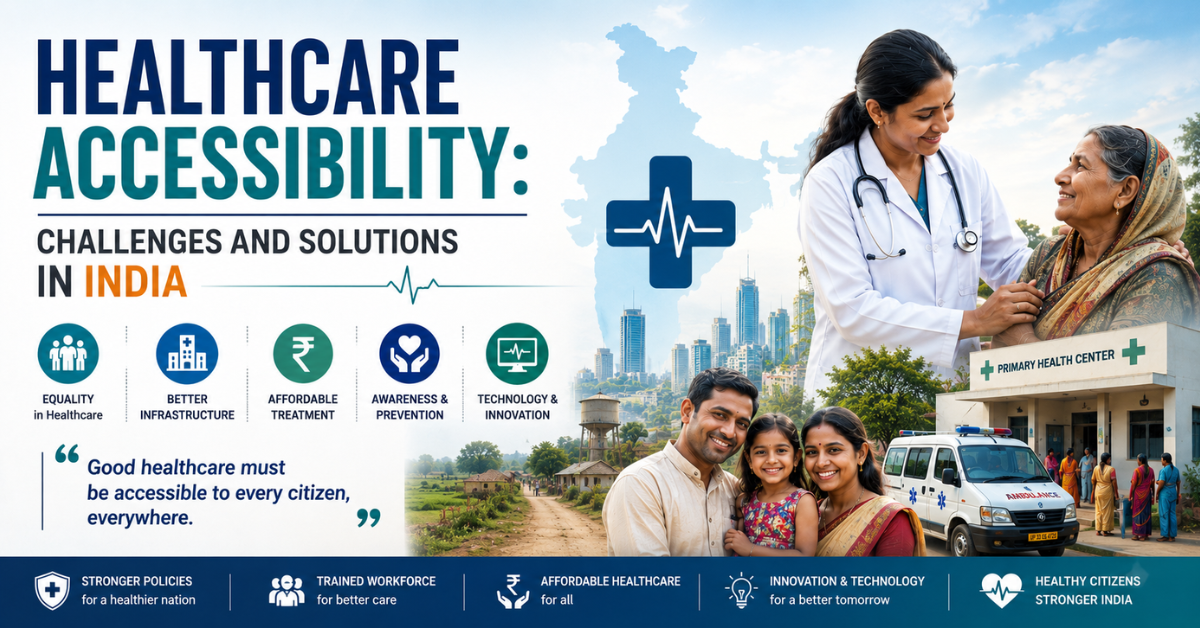
India’s healthcare system has made remarkable progress over the last few decades. From advancements in medical technology to the expansion of healthcare infrastructure, the country has witnessed significant improvements in life expectancy, maternal care, and disease management. Yet, despite these achievements, accessible and affordable healthcare remains a challenge for millions of Indians.
For a nation with a population exceeding 1.4 billion people, ensuring quality healthcare for every citizen is not just a public health priority—it is a social and economic necessity. The gap between urban and rural healthcare, rising treatment costs, shortage of medical professionals, and unequal access to healthcare facilities continue to affect the lives of countless families across the country.
This issue goes beyond hospitals and medicines. Healthcare accessibility influences education, productivity, economic growth, and overall quality of life. A healthy population forms the foundation of a strong and progressive nation.
Understanding Healthcare Accessibility
Healthcare accessibility refers to the ability of individuals to receive timely, affordable, and quality medical care whenever needed. Accessibility is not limited to the presence of hospitals alone. It also includes:
- Availability of qualified healthcare professionals
- Affordable treatment and medicines
- Proper transportation to healthcare facilities
- Awareness about preventive healthcare
- Equal healthcare opportunities regardless of income or location
In India, accessibility often depends on where a person lives, how much they earn, and the resources available in their community.
Major Challenges in Healthcare Accessibility in India
1. Rural and Urban Healthcare Divide
One of the biggest healthcare challenges in India is the imbalance between urban and rural areas. While metropolitan cities have multi-specialty hospitals, advanced diagnostic centers, and experienced specialists, many rural regions still struggle with basic healthcare facilities.
Villages often face:
- Shortage of doctors and nurses
- Lack of medical equipment
- Poor emergency services
- Limited maternity and child healthcare facilities
As a result, people living in remote areas frequently travel long distances even for basic medical treatment.
2. High Cost of Medical Treatment
Healthcare expenses in India can place a heavy financial burden on families. Although government hospitals provide affordable care, overcrowding and limited infrastructure often push people toward private healthcare facilities, where treatment costs are significantly higher.
Expenses related to:
- Surgeries
- Diagnostic tests
- Medicines
- Long-term treatments
- Emergency care
can force middle-class and low-income families into debt. For many people, healthcare becomes a financial struggle rather than a basic right.
3. Shortage of Healthcare Professionals
India faces a shortage of trained healthcare workers, especially in rural and semi-urban areas. According to various healthcare reports, the doctor-to-patient ratio in several regions remains below international recommendations.
The shortage includes:
- General physicians
- Specialists
- Nurses
- Lab technicians
- Mental health professionals
This affects the quality and speed of healthcare services, particularly during emergencies and disease outbreaks.
4. Lack of Awareness and Preventive Healthcare
Many health conditions in India become severe because they are diagnosed too late. Lack of awareness regarding hygiene, nutrition, vaccination, and regular health check-ups continues to affect public health.
Preventive healthcare is still underdeveloped in many communities. Diseases such as diabetes, hypertension, anemia, and heart-related conditions often go unnoticed until complications arise.
Health education and awareness remain equally important as medical treatment itself.
5. Inadequate Healthcare Infrastructure
Although India has expanded its healthcare network over the years, infrastructure gaps still exist in many states.
Several healthcare centers struggle with:
- Insufficient hospital beds
- Outdated equipment
- Poor sanitation
- Inconsistent electricity and water supply
- Limited ICU and emergency facilities
The COVID-19 pandemic exposed many of these weaknesses and highlighted the urgent need for stronger healthcare infrastructure across the country.
Solutions to Improve Healthcare Accessibility in India
1. Strengthening Primary Healthcare
Primary healthcare centers are the first point of contact for most patients, especially in rural areas. Improving these centers can reduce pressure on larger hospitals and ensure early diagnosis and treatment.
The government and healthcare organizations should focus on:
- Better staffing in rural clinics
- Availability of essential medicines
- Improved maternal and child healthcare services
- Regular health camps and screenings
Strong primary healthcare creates a healthier society and reduces long-term healthcare costs.
2. Expanding Digital Healthcare and Telemedicine
Technology is transforming healthcare accessibility in India. Telemedicine and digital healthcare platforms now allow patients to consult doctors remotely without traveling long distances.
Benefits of telemedicine include:
- Faster medical consultations
- Access to specialists in remote areas
- Reduced travel expenses
- Better follow-up care
Digital healthcare can bridge the gap between rural patients and urban medical expertise.
3. Increasing Government Investment in Healthcare
Public healthcare systems require stronger financial support. Increasing healthcare spending can improve hospitals, medical colleges, training programs, and public health services.
Investment should focus on:
- Rural healthcare infrastructure
- Affordable medicines
- Medical research
- Emergency healthcare services
- Healthcare workforce development
A stronger public healthcare system ensures equal opportunities for all citizens.
4. Affordable Health Insurance for All
Health insurance plays a critical role in reducing financial stress during medical emergencies. Government schemes like Ayushman Bharat have helped many families access treatment, but awareness and coverage still need improvement.
Affordable insurance coverage can help people receive timely medical care without fear of financial hardship.
5. Promoting Health Education and Awareness
Awareness campaigns can encourage people to adopt healthier lifestyles and seek medical care early.
Public health initiatives should promote:
- Vaccination awareness
- Nutrition and hygiene education
- Mental health awareness
- Regular health check-ups
- Disease prevention programs
An informed population is better prepared to prevent and manage health issues.
The Role of Technology and Innovation
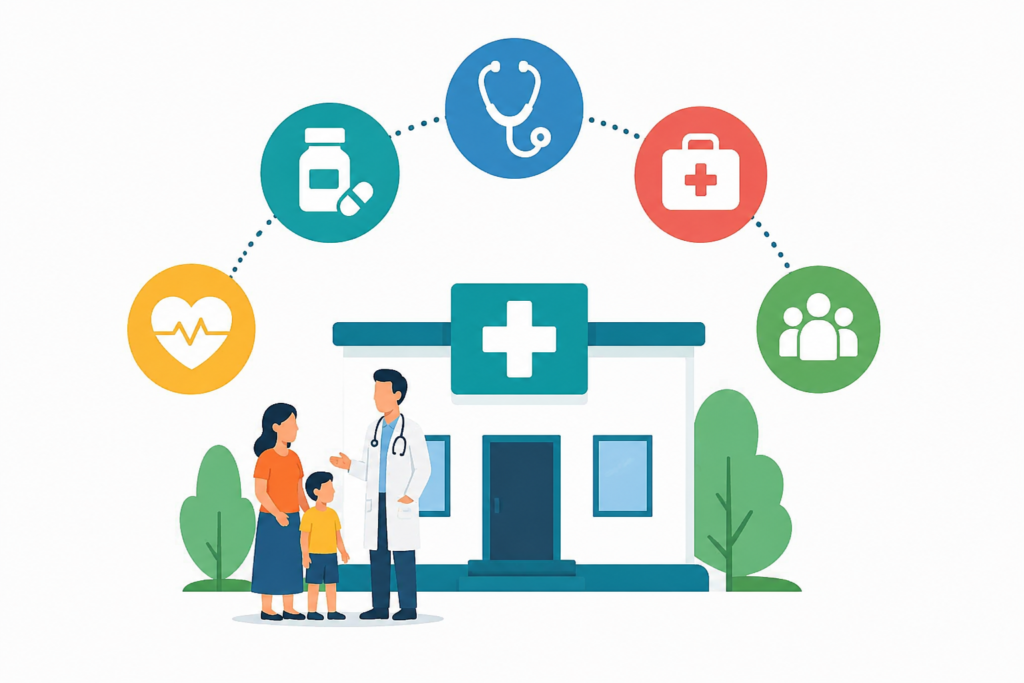
India’s healthcare future will depend heavily on innovation. Artificial intelligence, mobile health applications, wearable devices, and data-driven healthcare systems are already improving diagnosis and patient monitoring.
Innovations such as:
- AI-powered diagnostics
- Online appointment systems
- Electronic medical records
- Mobile healthcare vans
- Remote patient monitoring
can make healthcare more efficient, accessible, and affordable.
Conclusion
Healthcare accessibility remains one of India’s most important developmental challenges. While the country has achieved major progress in medical science and healthcare delivery, millions of people still struggle to access timely and affordable treatment.
Improving healthcare accessibility requires collective efforts from the government, healthcare providers, technology companies, and communities. Stronger infrastructure, affordable healthcare, digital innovation, trained professionals, and public awareness can together create a more inclusive healthcare system.
Leave a Reply