
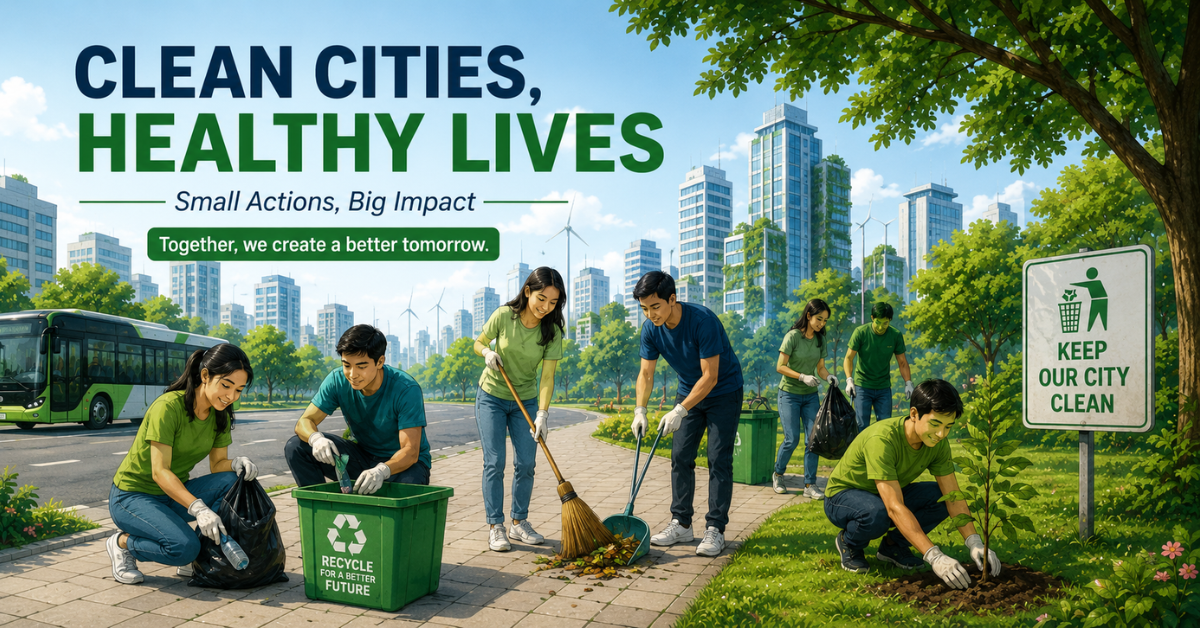
Life in modern cities has become faster, busier, and more demanding than ever before. People move to urban areas in search of better jobs, education, healthcare, and opportunities. While cities continue to grow and develop, another reality is becoming impossible to ignore — increasing pollution, overflowing garbage, traffic congestion, and declining public hygiene.
Many people expect governments alone to solve these problems, but the truth is that no city can remain clean unless its citizens actively participate in maintaining it. Clean surroundings are not created only through policies or sanitation workers. They are built through the daily habits and responsibility of ordinary people.
The condition of a city reflects the behaviour of the people living in it. Roads filled with litter, polluted lakes, and damaged public spaces are often signs of public negligence rather than lack of infrastructure alone. Because cities are growing so rapidly, responsible public behaviour has become necessary for maintaining cleaner and healthier surroundings.
What Is Civic Responsibility?
Civic responsibility simply means behaving in a way that supports the well-being of society. It involves respecting public places, caring for the environment, following community rules, and contributing positively to the place where we live.
It does not always require large efforts or financial contributions. Even simple habits can create a noticeable difference, such as:
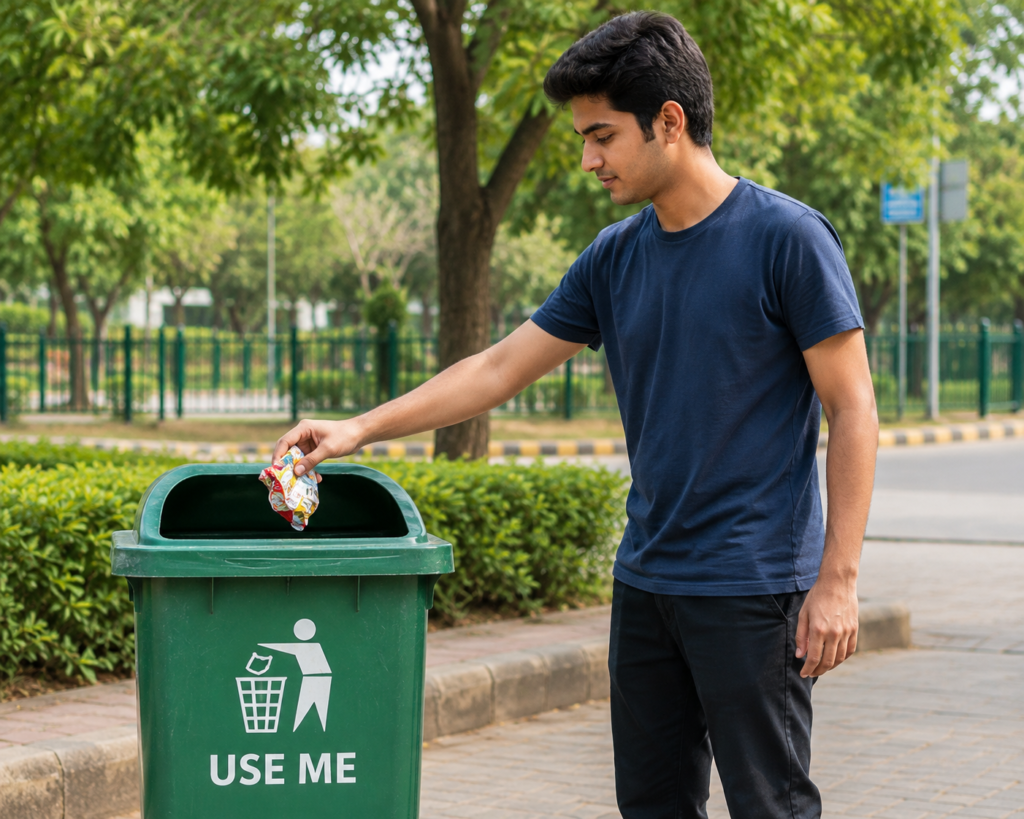
- throwing garbage in bins,
- avoiding unnecessary plastic use,
- following traffic rules,
- keeping neighbourhoods clean,
- conserving water and electricity,
- and participating in local cleanliness activities.
When millions of people practice these habits consistently, cities naturally become healthier and more organized.
Why Clean Cities Matter
A clean city is not only about appearance. Clean surroundings directly affect physical health, mental well-being, environmental balance, and even economic development.
Poor sanitation and unmanaged waste create serious health risks. Dirty water, polluted air, and unhygienic surroundings increase the spread of infections and diseases. In crowded cities, even small sanitation problems can quickly turn into large public health concerns.
On the other hand, cleaner surroundings encourage healthier lifestyles. People feel safer walking in public spaces, children can play in cleaner environments, and communities experience a better quality of life overall.
Cleanliness also affects mental health in subtle ways. Organized, green, and hygienic spaces create a calmer and more positive environment for people living there.
The Growing Problem of Urban Waste
One of the biggest problems cities face today is waste management. Large amounts of garbage are generated every single day, yet much of it is not disposed of properly.
Plastic waste, food waste, electronic waste, and construction debris often end up on roadsides, in rivers, or in open dumping areas. This not only damages the environment but also harms animals, contaminates water sources, and pollutes the air.
A major reason behind this issue is the lack of awareness about waste segregation and responsible disposal. Many households still mix all types of waste together, making recycling difficult.
Managing waste properly begins at home. Separating dry and wet waste, recycling reusable materials, and reducing unnecessary consumption can significantly reduce environmental pressure.
How Citizens Influence Public Cleanliness
Cities cannot stay clean if people continue to ignore their surroundings. Public responsibility plays a major role in maintaining urban hygiene and environmental balance.
For example, a single person throwing garbage on the street may not seem like a major problem, but when thousands of people repeat the same behaviour every day, the result becomes visible across the entire city.
Citizens contribute to cleaner cities when they:
- avoid littering,
- use public spaces responsibly,
- reduce plastic consumption,
- support recycling efforts,
- and encourage others to follow better habits.
Social awareness also spreads faster when communities work together. Responsible behaviour often inspires others to become more conscious about cleanliness and environmental care.
Clean Cities and Environmental Sustainability
Urban pollution is becoming one of the biggest environmental challenges across the world. Rising vehicle emissions, excessive plastic use, poor waste disposal, and shrinking green spaces are affecting both nature and human health.
Protecting the environment requires long-term thinking and sustainable habits. Simple changes in lifestyle can make a meaningful impact, including:
- using reusable products,
- conserving electricity,
- reducing water wastage,
- planting trees,
- and choosing public transportation whenever possible.
These actions may appear small individually, but together they help create more sustainable and environmentally balanced cities.
Community Participation Creates Real Change
Real transformation becomes possible when local communities actively participate in improving their surroundings. Schools, colleges, resident associations, NGOs, and volunteers can all contribute to public cleanliness and awareness.
Activities such as:
- neighbourhood cleaning campaigns,
- tree plantation drives,
- recycling workshops,
- environmental awareness events,
- and public hygiene programs
help build a stronger sense of social responsibility.
When people start viewing cleanliness as a shared responsibility instead of someone else’s job, positive change becomes more sustainable.
Challenges Cities Still Face
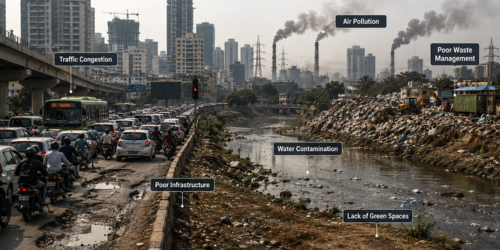
Despite awareness campaigns and government initiatives, many cities continue to struggle with serious urban problems. Rapid population growth, poor planning, lack of public awareness, and increasing consumption have made sanitation management more difficult.
Common urban challenges include:
- overflowing garbage,
- air pollution,
- traffic congestion,
- water contamination,
- shortage of green spaces,
- and poor sewage systems.
Solving these problems requires cooperation between citizens, local authorities, environmental organizations, and urban planners.
Building Better Cities for the Future
The future of urban life will depend on how responsibly societies act today. Development alone is not enough if cities become polluted, unhealthy, and environmentally unstable.
A truly developed city is one where people care about public spaces, follow responsible habits, and contribute to the well-being of the community. Clean streets, green parks, proper sanitation, and healthy surroundings are signs of a disciplined and aware society.
Creating better cities is not a one-day effort. It requires continuous participation, awareness, and responsible decision-making from everyone.
Conclusion
Clean cities are closely connected to healthy lives. Public hygiene, environmental protection, and responsible civic behaviour all work together to improve the quality of urban living.
Governments can provide infrastructure and policies, but lasting improvement becomes possible only when citizens actively support these efforts through their daily actions.
Every responsible choice — whether it is disposing of waste properly, reducing pollution, or protecting public spaces — contributes to building cleaner, safer, and healthier cities.
The habits people follow today will shape the kind of urban future the next generation experiences tomorrow.
Leave a Reply