
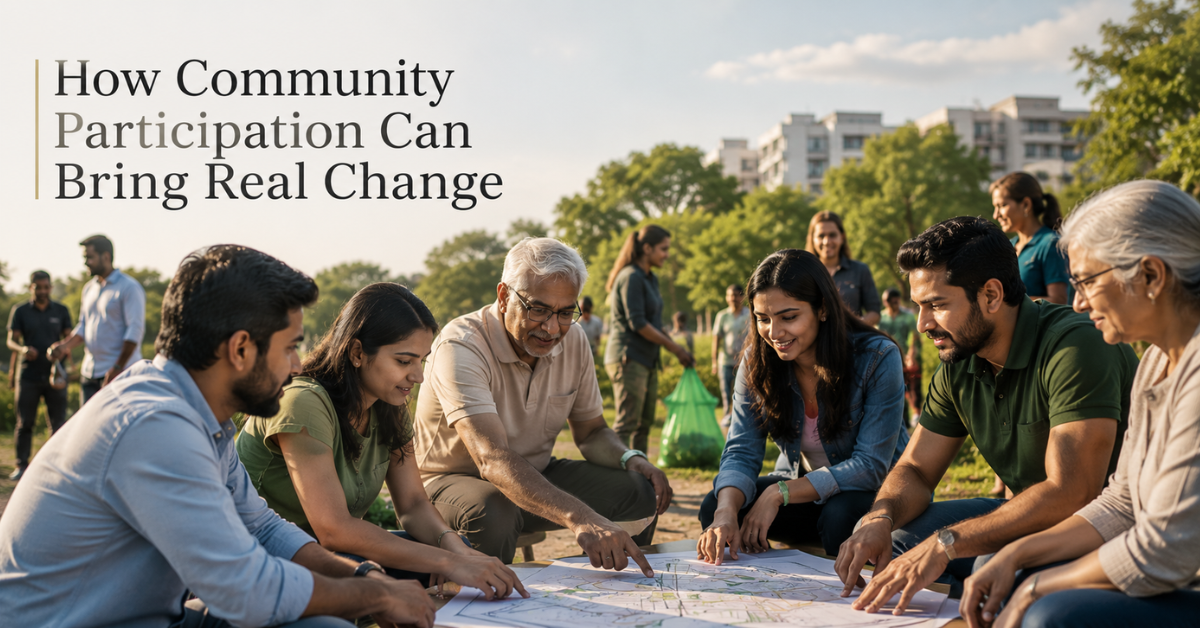
Communities play a vital role in shaping society and improving the quality of life for individuals. While governments, organizations, and institutions contribute to development, meaningful and lasting progress often begins at the community level. When people actively participate in local initiatives, decision-making processes, and social development activities, they create positive changes that directly impact their surroundings.
Community participation is more than simply attending meetings or volunteering occasionally. It involves citizens taking responsibility for the well-being of their neighborhoods, contributing ideas, collaborating with others, and working together to solve common problems. From improving public services and environmental conservation to education and social welfare, community involvement has the power to drive real and sustainable change.
What Is Community Participation?
Community participation refers to the active involvement of individuals and groups in identifying issues, making decisions, planning activities, and implementing solutions that affect their community.
Participation can take many forms, including:
- Volunteering for local projects
- Attending community meetings
- Supporting social initiatives
- Participating in environmental campaigns
- Contributing ideas and feedback
- Collaborating with local authorities
The goal is to ensure that community members play an active role in shaping the future of their local area.
Why Community Participation Matters
Communities function best when people feel connected and responsible for their shared environment. Active participation helps individuals become more aware of local challenges and encourages collective action.
Community participation is important because it:
- Strengthens social connections
- Encourages civic responsibility
- Improves local decision-making
- Builds trust among residents
- Promotes inclusive development
When citizens become involved, solutions are often more practical, effective, and responsive to local needs.
Strengthening Local Problem-Solving
Every community faces unique challenges such as waste management, traffic issues, public safety concerns, lack of resources, or environmental problems. Local residents often have firsthand knowledge of these issues and can contribute valuable insights.
Community participation helps by:
- Identifying local problems early
- Encouraging collaborative solutions
- Supporting faster implementation of projects
- Improving communication between citizens and authorities
When people work together, communities can solve problems more efficiently and effectively.
Building Stronger Social Connections
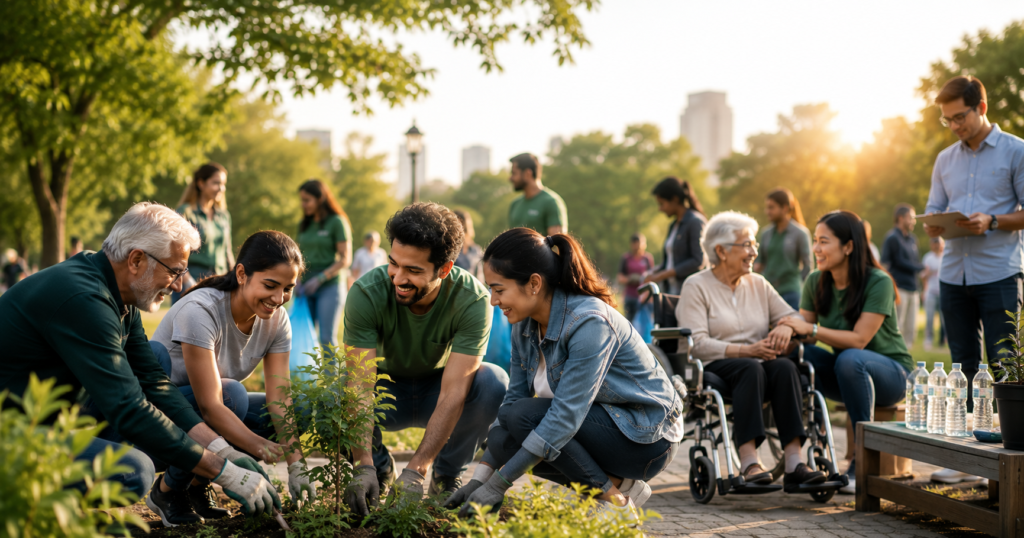
Strong communities are built on trust, cooperation, and mutual support. Community activities bring people together and create opportunities for meaningful interaction.
Benefits include:
- Improved social relationships
- Greater sense of belonging
- Increased mutual support
- Better understanding among diverse groups
- Stronger community identity
These social connections contribute to safer, healthier, and more resilient communities.
Community Participation and Sustainable Development
Sustainable development requires active involvement from citizens. Environmental protection, resource conservation, public health, and social welfare cannot be achieved through government action alone.
Community participation supports sustainability through:
- Tree plantation drives
- Waste reduction initiatives
- Water conservation programs
- Clean energy awareness campaigns
- Community gardening projects
Local involvement helps ensure that sustainability efforts remain effective over the long term.
Improving Public Services Through Citizen Engagement
Public services such as healthcare, education, transportation, and sanitation improve when citizens actively provide feedback and participate in planning processes.
Citizen engagement helps:
- Identify service gaps
- Improve accountability
- Increase transparency
- Enhance service quality
- Ensure resources are used effectively
Governments and local authorities often make better decisions when they understand the real needs of the people they serve.
The Role of Youth in Community Development
Young people are among the most powerful agents of change within a community. Their creativity, energy, and willingness to embrace new ideas make them valuable contributors to social progress.
Youth can contribute through:
- Volunteer programs
- Educational initiatives
- Environmental projects
- Digital awareness campaigns
- Leadership development activities
Encouraging youth participation helps build future leaders who are committed to community improvement.
Challenges to Community Participation
Despite its benefits, community participation is not always easy to achieve. Various barriers may prevent people from becoming actively involved.
Common challenges include:
- Lack of awareness
- Limited time and resources
- Low public trust
- Poor communication
- Social and economic inequalities
- Lack of opportunities for engagement
Overcoming these challenges requires strong leadership, accessible participation opportunities, and continuous community outreach.
Real Examples of Community-Led Change
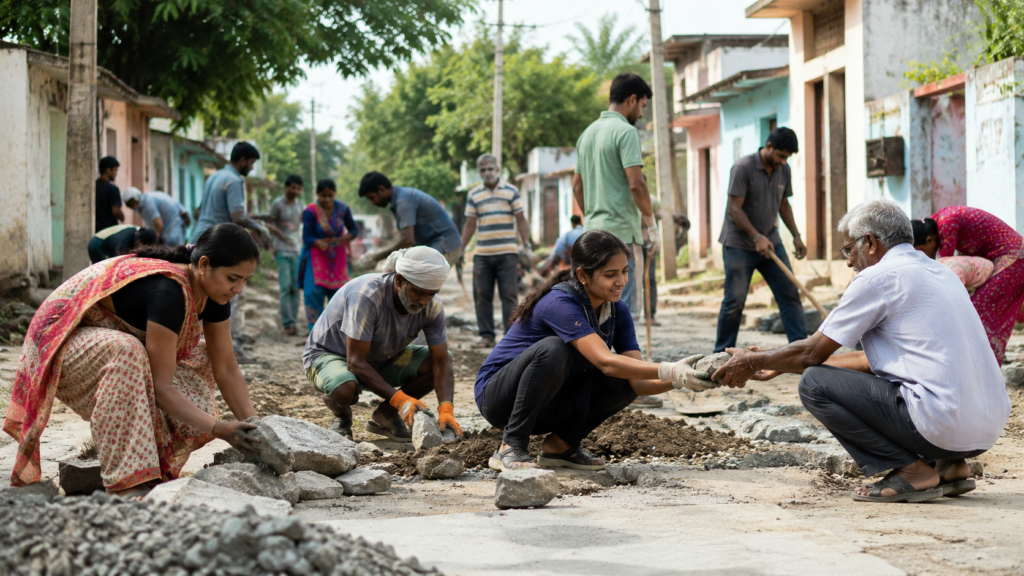
Many successful social improvements have been driven by community action. Across the world, local residents have organized initiatives that have transformed neighborhoods and improved living conditions.
Examples include:
- Community clean-up campaigns
- Local education programs
- Neighborhood safety groups
- Disaster relief efforts
- Public health awareness drives
- Environmental conservation projects
These examples demonstrate how collective effort can produce meaningful and lasting results.
Creating a Culture of Participation
Building an engaged community requires continuous effort and encouragement. Participation should become part of everyday civic life rather than an occasional activity.
Communities can encourage participation by:
- Promoting volunteer opportunities
- Supporting local organizations
- Encouraging public discussions
- Recognizing community contributions
- Creating inclusive decision-making processes
A culture of participation empowers individuals and strengthens democratic values.
Conclusion
Community participation is one of the most effective ways to create positive and lasting change. When citizens actively engage in local development, they contribute valuable ideas, strengthen social bonds, improve public services, and support sustainable growth.
Real change does not always begin with large institutions or government programs. Often, it starts with individuals coming together to address local challenges and work toward shared goals. By encouraging participation, collaboration, and civic responsibility, communities can build a stronger, more inclusive, and more prosperous future for everyone.
Leave a Reply