
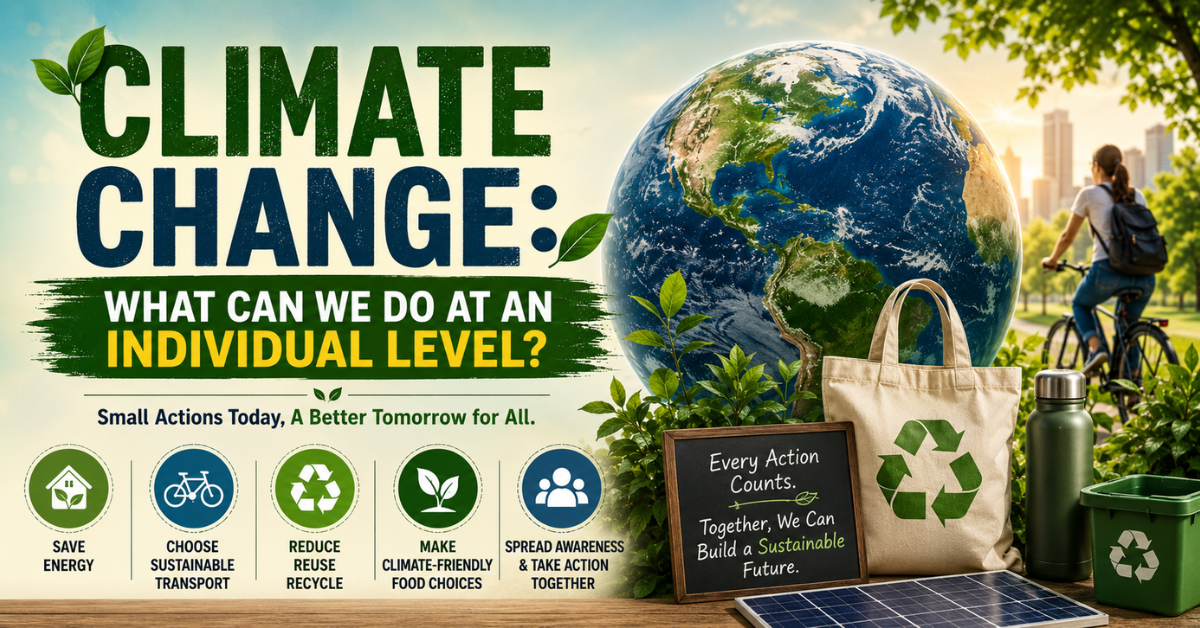
Climate change is one of the most pressing challenges facing the world today. Rising temperatures, extreme weather events, and environmental degradation are affecting ecosystems and communities across the globe. While governments and industries play a significant role in addressing this issue, individuals also have the power to make a meaningful difference through their daily choices and actions.
Why Individual Actions Matter
Many people assume that climate change can only be tackled through large-scale policies and technological advancements. However, individual behavior directly influences energy consumption, transportation, waste generation, and resource use. When millions of people adopt sustainable habits, their collective efforts can significantly reduce environmental impact and encourage broader societal change.
Reducing Energy Consumption at Home
Energy use in homes contributes substantially to carbon emissions. Simple measures such as switching to LED bulbs, using energy-efficient appliances, turning off unused electronics, and reducing unnecessary electricity consumption can make a noticeable difference. Households that embrace renewable energy solutions, such as solar power, can further lower their environmental footprint while reducing long-term energy costs.

Choosing Sustainable Transportation
Transportation remains one of the largest sources of greenhouse gas emissions worldwide. Individuals can reduce their impact by choosing environmentally friendly travel options whenever possible. Walking, cycling, carpooling, and using public transportation help lower fuel consumption and air pollution. For those purchasing a vehicle, fuel-efficient or electric models offer a more sustainable alternative to conventional cars.
Reducing Waste and Consuming Responsibly
Modern consumption habits often result in excessive waste and unnecessary resource use. Adopting the principles of reducing, reusing, and recycling can help minimize environmental damage. Using reusable products, avoiding single-use plastics, repairing items instead of replacing them, and supporting sustainable brands are practical ways to reduce waste. Responsible consumption also encourages businesses to adopt more environmentally conscious practices.
Making Climate-Friendly Food Choices
Food production has a major impact on the environment through greenhouse gas emissions, water use, and land consumption. Individuals can contribute to climate action by reducing food waste, supporting local farmers, and incorporating more plant-based meals into their diets. Even small changes in eating habits can help lower environmental impact while promoting healthier lifestyles.
Encouraging Environmental Awareness and Community Action
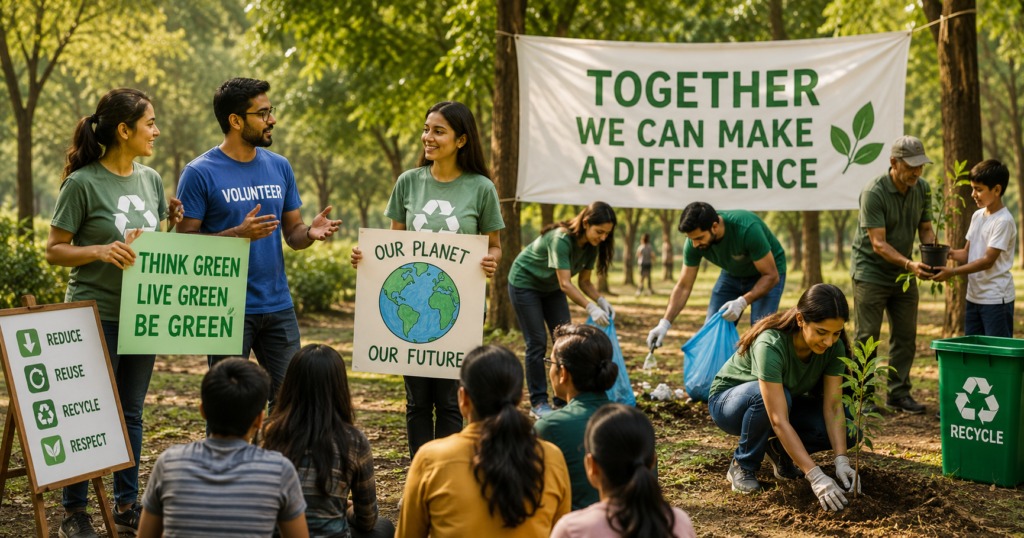
Individual efforts become even more powerful when they inspire others. Raising awareness about environmental issues, participating in local sustainability initiatives, and supporting climate-friendly policies can create positive change beyond personal actions. Communities that work together on environmental projects often achieve greater results and help build a culture of sustainability for future generations.
Conclusion
Climate change is a global challenge, but meaningful progress begins with individual responsibility. By reducing energy use, choosing sustainable transportation, minimizing waste, making environmentally conscious food choices, and encouraging community action, individuals can contribute to a healthier planet. While no single action can solve climate change alone, the combined efforts of millions of people can create a significant and lasting impact on the future of our environment.
Leave a Reply