
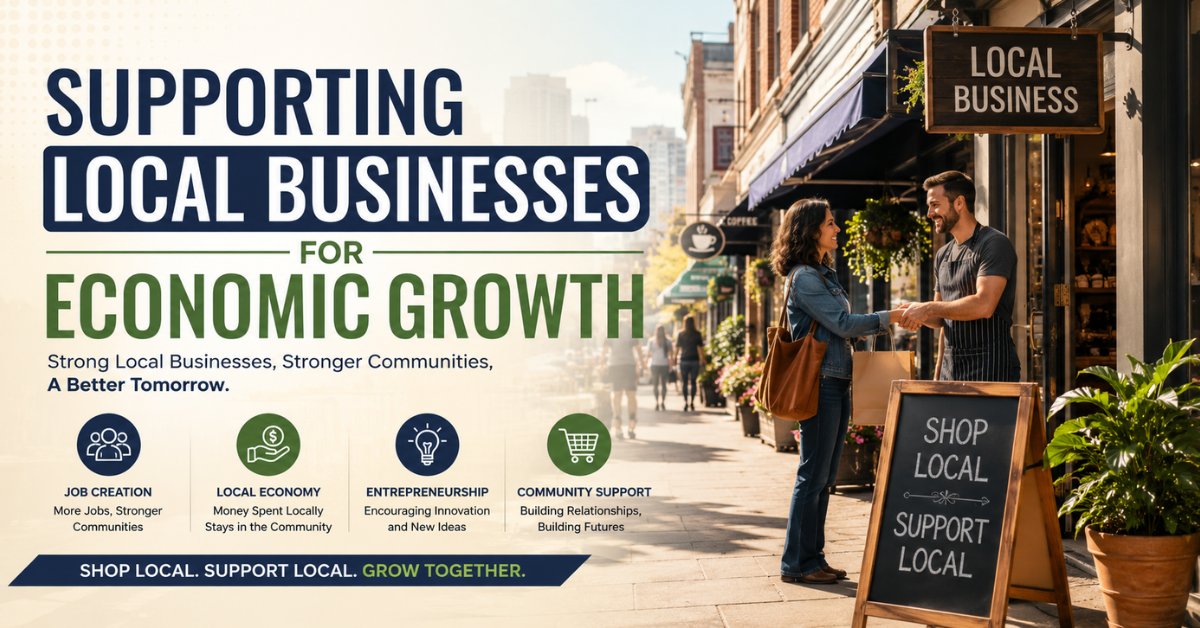
In today’s interconnected world, economic growth is often associated with large corporations, global brands, and multinational investments. However, one of the most powerful drivers of sustainable economic development exists much closer to home—local businesses. Whether it is a neighborhood grocery store, a family-owned restaurant, a local manufacturer, or an independent service provider, these businesses contribute significantly to the economic health of communities.
Supporting local businesses is not merely about helping small enterprises survive. It is about creating stronger economies, generating employment opportunities, encouraging entrepreneurship, and building communities that can thrive in the long term. Every purchase made from a local business contributes to a broader cycle of economic activity that benefits individuals, families, and entire regions.
The Economic Impact of Local Businesses
Local businesses play a crucial role in maintaining economic stability. Unlike large corporations that often distribute profits across multiple regions or countries, local enterprises tend to reinvest their earnings within the communities where they operate. They hire local workers, purchase goods from nearby suppliers, and support other small businesses.
This continuous circulation of money strengthens local economies and creates a foundation for long-term growth. Communities with a healthy network of local businesses are often more resilient during economic downturns because they rely on diverse sources of economic activity rather than a limited number of major employers.
Creating Jobs and Encouraging Entrepreneurship
One of the most visible contributions of local businesses is employment generation. Small and medium-sized enterprises provide opportunities for individuals with various skills and experience levels, helping reduce unemployment and improve living standards.
Beyond job creation, local businesses inspire entrepreneurship. They demonstrate that innovative ideas and hard work can be transformed into successful ventures. Many entrepreneurs begin by serving local markets before expanding their operations. This entrepreneurial culture encourages innovation, competition, and economic progress while creating opportunities for future business leaders.

How Consumer Choices Influence Economic Growth
Consumers play a much larger role in economic development than they often realize. Every spending decision influences which businesses grow, expand, and create new opportunities.
When people choose to purchase products or services from local businesses, they help strengthen the local economy. These businesses are then able to hire more employees, improve their services, and invest in future growth. Consumer support also helps maintain the diversity and uniqueness of local marketplaces, ensuring that communities are not entirely dependent on large corporations.
Even small purchasing decisions, when repeated by many individuals, can have a meaningful impact on economic development.
Challenges Facing Local Businesses
Despite their importance, local businesses face several challenges in today’s competitive marketplace. Large corporations often benefit from greater financial resources, stronger brand recognition, and extensive marketing capabilities. Competing against such organizations can be difficult for smaller enterprises.
In addition, rising operational costs, changing consumer expectations, and rapid technological advancements create new pressures for business owners. Many local businesses must continuously adapt to digital platforms, online competition, and evolving market trends while managing limited resources.
Overcoming these challenges requires support from consumers, policymakers, financial institutions, and community organizations.
The Future of Local Business Growth
Technology and innovation are creating new opportunities for local businesses to expand their reach and remain competitive. Digital marketing, e-commerce platforms, social media, and online payment systems have made it possible for small businesses to connect with customers far beyond their immediate location.
At the same time, consumers are becoming increasingly interested in supporting local enterprises, sustainable products, and community-focused businesses. This shift in consumer behavior presents significant opportunities for growth.
As local businesses continue to embrace innovation and adapt to changing market conditions, they will remain essential contributors to economic development and community prosperity.

Conclusion
Supporting local businesses is one of the most effective ways to promote economic growth and strengthen communities. These enterprises create jobs, encourage entrepreneurship, support innovation, and keep economic activity within local regions. Their success contributes not only to individual prosperity but also to the long-term stability and resilience of entire communities.
As consumers, governments, and organizations recognize the value of local enterprises, continued support for these businesses can help build stronger economies and create lasting opportunities for future generations.
Leave a Reply