
Development is often associated with large-scale infrastructure projects, government policies, and national economic growth. While these efforts are important, sustainable progress rarely begins at the top. Real and lasting change often starts at the grassroots level, where communities identify their own challenges and actively participate in creating solutions.
Grassroots development focuses on empowering local communities to take charge of their social, economic, and environmental progress. Rather than relying solely on external interventions, it encourages people to become active participants in shaping their future. By addressing issues at the community level, grassroots initiatives create solutions that are more relevant, inclusive, and sustainable.
As the world continues to face challenges such as poverty, inequality, limited access to education, and environmental concerns, grassroots development has become increasingly important in achieving meaningful and long-term progress.
Understanding Grassroots Development
Grassroots development refers to a community-driven approach to development in which local people play a central role in identifying needs, making decisions, and implementing solutions. Instead of a top-down model where decisions are made by distant authorities, grassroots development emphasizes local participation and ownership.
This approach recognizes that community members often have the best understanding of their own challenges and priorities. By involving local stakeholders in every stage of development, projects become more effective and better aligned with the needs of the people they are intended to serve.
Grassroots initiatives can focus on a wide range of areas, including education, healthcare, environmental conservation, agriculture, women’s empowerment, and local economic development.
Why Community Participation Is Essential
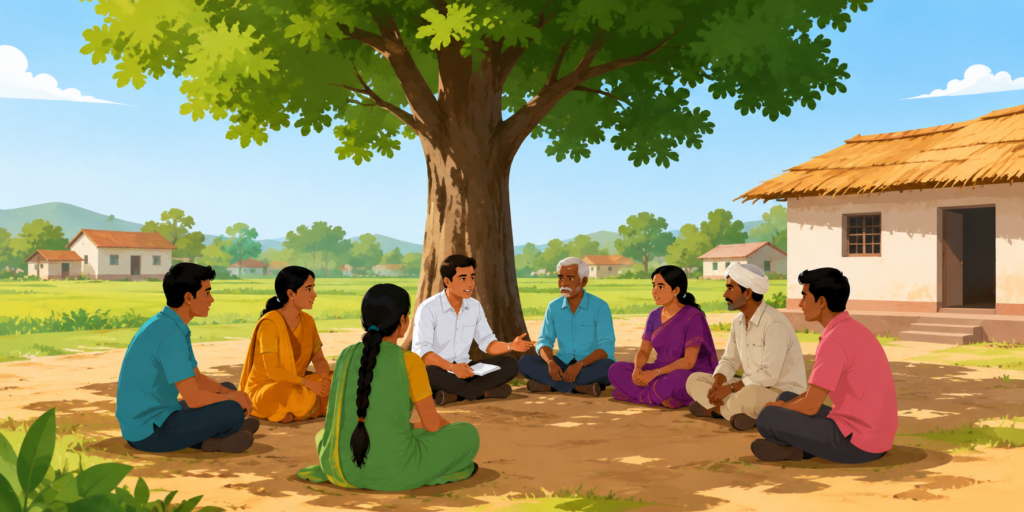
One of the strongest foundations of grassroots development is community participation. Development efforts are far more successful when people are actively involved in planning and decision-making processes.
When communities participate, they gain a sense of ownership and responsibility toward development projects. This increases commitment, improves cooperation, and enhances the likelihood of long-term success. Participation also helps ensure that solutions are practical, culturally appropriate, and responsive to local needs.
By giving people a voice in decisions that affect their lives, grassroots development strengthens democracy, promotes inclusion, and builds trust within communities.
The Role of Grassroots Development in Reducing Inequality
Inequality remains one of the most significant barriers to sustainable development. Many marginalized groups lack access to resources, opportunities, and decision-making processes that influence their future.
Grassroots development helps address these disparities by ensuring that development efforts reach those who are often overlooked. Local initiatives create opportunities for participation among women, youth, rural populations, and disadvantaged communities.
By promoting equal access to education, healthcare, employment, and social services, grassroots programs contribute to more inclusive growth and improved quality of life for all members of society.
Economic and Social Benefits of Grassroots Initiatives
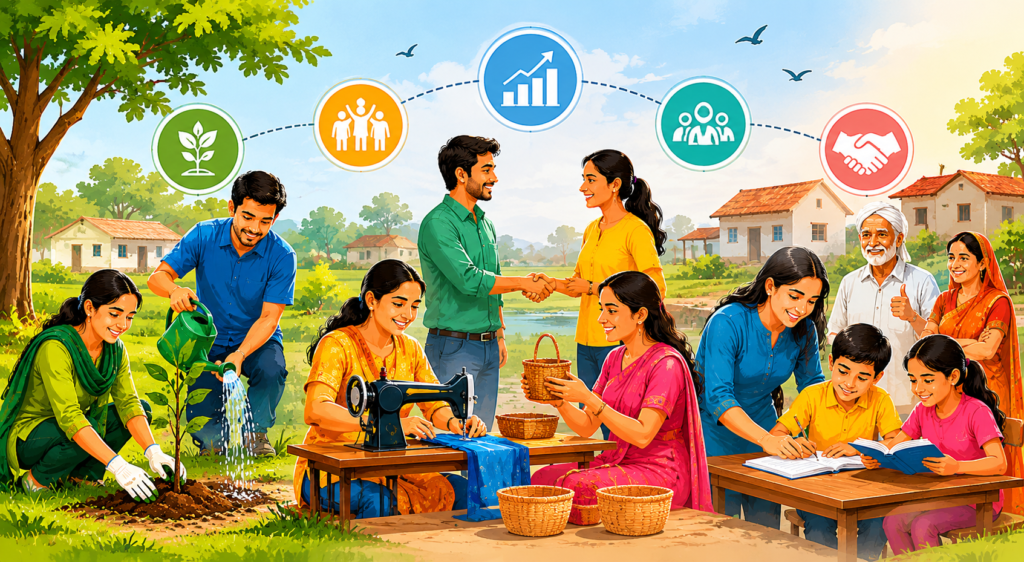
Grassroots development generates both economic and social benefits that extend beyond individual communities. Local projects often create employment opportunities, support entrepreneurship, and strengthen local economies.
At the same time, grassroots initiatives encourage social cohesion and collective action. Communities working together toward common goals often develop stronger relationships, greater trust, and improved problem-solving abilities.
These benefits contribute to community resilience, helping people adapt to economic challenges, environmental changes, and social pressures more effectively.
Challenges Facing Grassroots Development
Despite its many advantages, grassroots development faces several challenges. Limited funding, lack of technical expertise, inadequate infrastructure, and restricted access to resources can hinder the success of local initiatives.
In some cases, communities may struggle to maintain long-term participation or secure the support needed to scale successful projects. Political instability and administrative barriers can also limit the effectiveness of grassroots efforts.
Addressing these challenges requires collaboration among governments, non-governmental organizations, private institutions, and local communities. Providing training, resources, and long-term support can help grassroots initiatives achieve greater impact and sustainability.
The Future of Grassroots Development
As global development priorities continue to evolve, grassroots development is expected to play an increasingly important role in creating sustainable and inclusive societies. Advances in technology, digital communication, and community networking are making it easier for local groups to access information, share knowledge, and mobilize support.
Future development strategies are likely to place greater emphasis on community-led solutions, local innovation, and participatory governance. By combining local knowledge with modern tools and resources, grassroots initiatives can address complex challenges more effectively.
The future of development will depend not only on national policies and global investments but also on the ability of communities to shape their own progress and create lasting change from the ground up.
Conclusion
Grassroots development matters because it places people at the center of progress. By empowering communities, encouraging participation, and addressing local needs, it creates solutions that are both effective and sustainable.
While large-scale development programs remain important, meaningful change often begins with individuals and communities working together to improve their own circumstances. Supporting grassroots initiatives can lead to stronger communities, reduced inequality, and more inclusive economic growth.
Ultimately, grassroots development demonstrates that lasting progress is most successful when it starts with the people who are directly affected by the challenges and opportunities of development.
Leave a Reply