
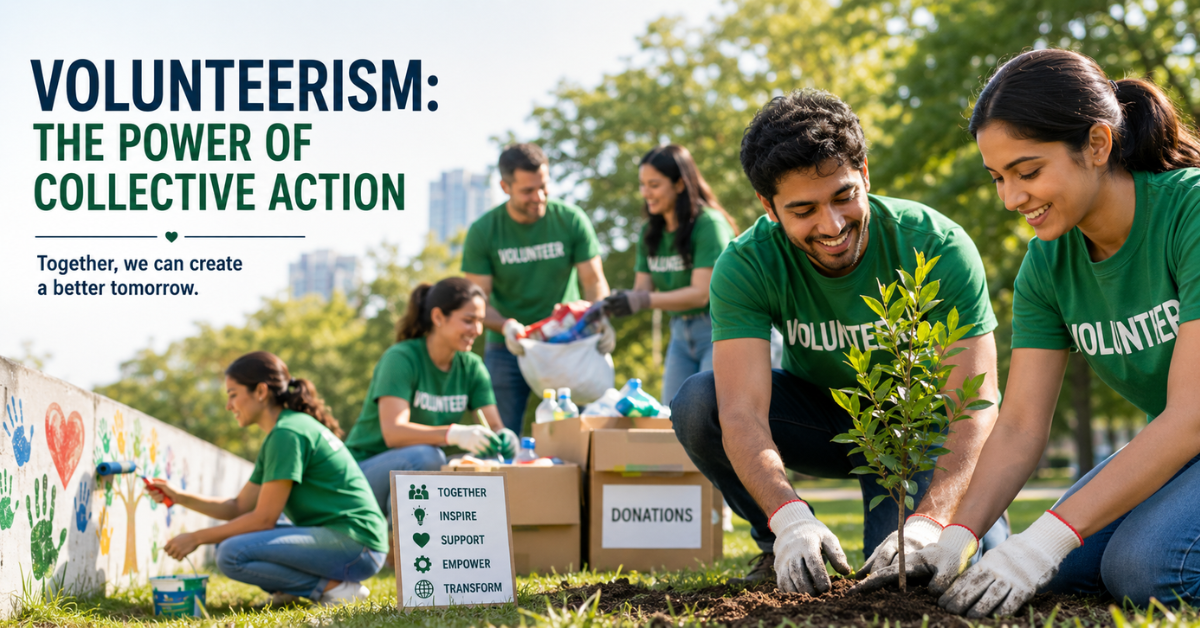
In every community, positive change often begins with people who are willing to give their time, skills, and energy for the benefit of others. Volunteerism is one of the most powerful ways individuals can contribute to society without expecting financial rewards. Whether it involves helping vulnerable groups, supporting environmental initiatives, assisting during emergencies, or participating in community projects, volunteer efforts have the ability to transform lives and strengthen communities.
At its core, volunteerism is about collective action. When people come together to work toward a common goal, they can achieve outcomes that would be difficult for any individual or organization to accomplish alone. This spirit of cooperation not only addresses immediate challenges but also creates a culture of responsibility, compassion, and social engagement.
Understanding the Importance of Volunteerism
Volunteerism plays a vital role in building stronger and more connected societies. It provides an opportunity for individuals to contribute to causes they care about while making a meaningful difference in the lives of others.
Communities often face challenges that require more resources and support than governments or organizations can provide on their own. Volunteers help bridge this gap by offering their time and expertise where it is needed most. Their contributions enhance social services, improve community programs, and create opportunities for people who may otherwise be overlooked.
Beyond its impact on society, volunteerism also benefits the individuals who participate. It helps develop new skills, build confidence, and foster a deeper sense of purpose and belonging.
How Collective Action Creates Meaningful Change
Many of the world’s most successful social initiatives have been driven by collective action. When individuals unite around a shared objective, their combined efforts create a much greater impact than isolated actions.
Collective action allows communities to address issues such as poverty, education, environmental conservation, public health, and disaster relief more effectively. By pooling resources, knowledge, and skills, volunteers can tackle complex challenges and develop sustainable solutions.

The success of collective action lies in its ability to bring together people from diverse backgrounds who share a common commitment to creating positive change.
The Impact of Volunteerism on Communities
Volunteerism strengthens communities by promoting cooperation, trust, and social responsibility. Volunteers often serve as the foundation of community projects, helping improve public spaces, support local organizations, and provide assistance to those in need.
In many communities, volunteer-led initiatives have contributed to cleaner neighborhoods, better educational opportunities, stronger support networks, and improved access to essential services. These efforts not only solve immediate problems but also encourage residents to become more actively involved in community development.
As participation grows, communities become more resilient and better prepared to address future challenges.
Personal Benefits of Volunteering
While volunteerism primarily focuses on helping others, it also offers significant personal rewards. Volunteering provides opportunities to learn new skills, gain practical experience, and develop leadership abilities.
Many volunteers discover new interests, expand their professional networks, and improve their communication and teamwork skills through community service. For students and young professionals, volunteer work can also enhance career development by demonstrating initiative and commitment.
Perhaps most importantly, volunteering fosters a sense of fulfillment that comes from knowing one’s efforts have made a positive difference in the lives of others.
Challenges and Barriers to Volunteer Participation
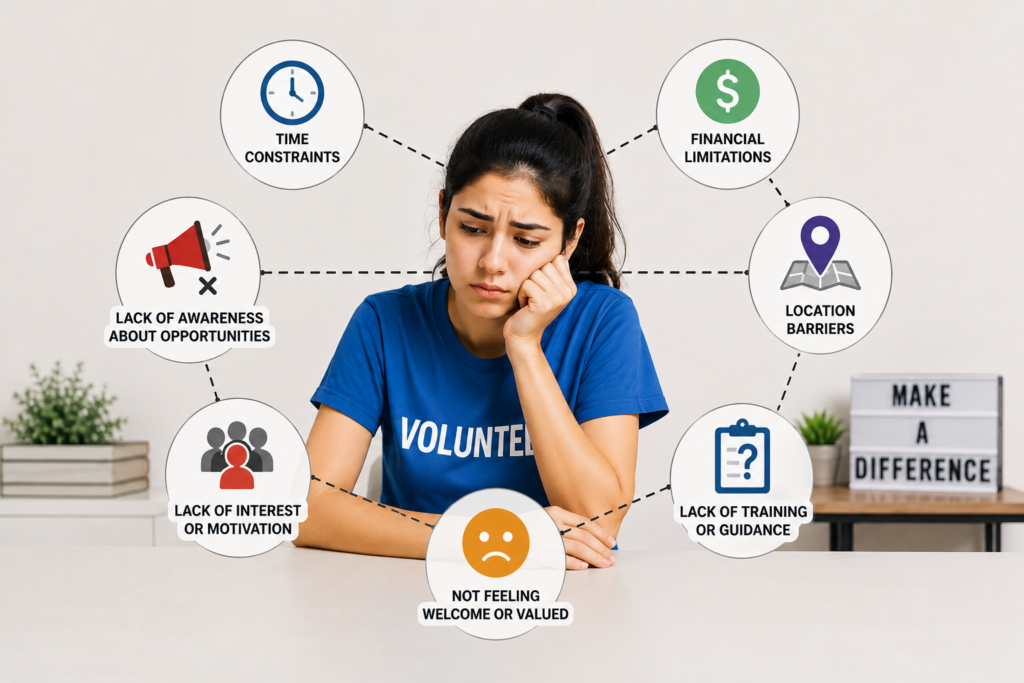
Despite its many benefits, volunteerism faces several challenges. Busy schedules, limited awareness of opportunities, and lack of resources can prevent people from becoming involved in volunteer activities.
Some organizations also struggle to recruit, train, and retain volunteers effectively. Without proper coordination and support, even well-intentioned initiatives may fail to achieve their desired impact.
Addressing these barriers requires greater awareness, stronger community engagement, and improved access to volunteer opportunities. Organizations must also ensure that volunteers feel valued and supported throughout their involvement.
The Future of Volunteerism in a Connected World
Technology is transforming the way people volunteer and engage with social causes. Digital platforms, social media, and online communities have made it easier than ever for individuals to connect with organizations and participate in meaningful initiatives.
Virtual volunteering, crowdfunding campaigns, online mentoring, and digital advocacy have expanded opportunities for people to contribute regardless of location. These innovations allow communities to mobilize support more quickly and reach larger audiences.
As technology continues to evolve, volunteerism is expected to become even more accessible, inclusive, and impactful. The combination of digital tools and human compassion has the potential to create powerful movements for social change.
Conclusion
Volunteerism demonstrates the remarkable power of collective action. When individuals come together to support a shared cause, they can create meaningful and lasting change that benefits entire communities. From improving local neighborhoods to addressing global challenges, volunteers play a critical role in building a more compassionate, inclusive, and resilient society.
By encouraging greater participation and fostering a culture of service, communities can unlock the full potential of volunteerism and create positive outcomes for generations to come. Every act of service, no matter how small, contributes to a larger movement that has the power to transform lives and strengthen society as a whole.
Leave a Reply